
Classic Recommendation.
The Modern Aesthetic: Functionalism, Identity, and the Power of Choice
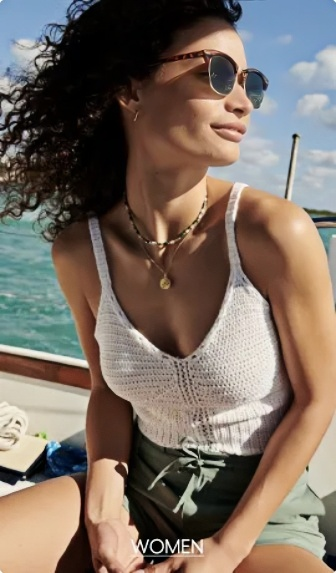
The contemporary landscape of women’s wear is defined by a central, unifying principle: choice. We have moved beyond eras where a single silhouette dominated or where strict rules governed appropriateness. The modern wardrobe for women is a vast, interconnected ecosystem where comfort coexists with couture, where vintage styles inspire new creations, and where personal identity is the ultimate, non-negotiable accessory. This freedom is not just a trend; it is the culmination of decades of social progress.
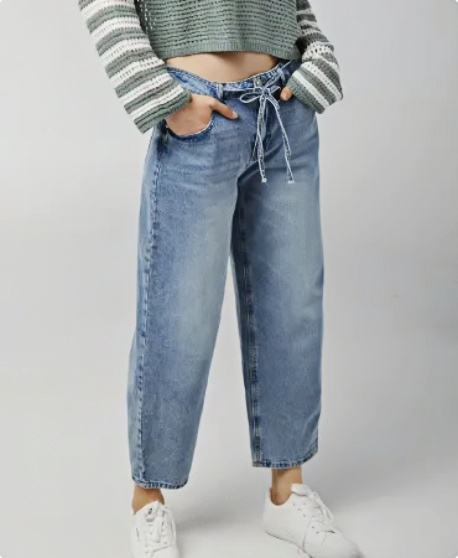
The focus on functionalism is one of the most significant shifts in modern women’s wear. For centuries, women’s clothing often sacrificed ease of movement and practicality for aesthetic ideals. The modern movement demands that clothing work for the wearer, not against her. This is evident in the prevalence of pockets—a long-standing point of contention—and the acceptance of flat shoes and comfortable fabrics in almost every setting, including professional and formal environments. The blurring of lines between “work wear,” “casual wear,” and “formal wear” reflects the fluidity of modern life and the rejection of clothes that impede action.
This emphasis on functionality is deeply tied to the rise of gender-neutral and androgynous aesthetics within women’s fashion. While women have always adopted elements of traditionally masculine dress, today’s embrace of oversized structures, tailoring, and garments that intentionally obscure or redefine the conventional female form is a powerful statement. It is a liberation from the expectation that women’s clothing must always be body-conforming or overtly feminine. This shift allows women to use clothing as a tool for gravitas, authority, and artistic expression, outside the narrow confines of historical gender roles.
Furthermore, the concept of sustainable and ethical fashion is profoundly influencing modern women’s wear. Consumers are increasingly demanding transparency in the supply chain, better treatment of workers, and environmentally conscious material choices. This has led to a greater appreciation for quality, timeless pieces designed to last, often challenging the rapid-fire consumption model of “fast fashion.” For many women, their wardrobe choices are now an extension of their ethical values, leading to a focus on well-made classics, repurposed vintage items, and clothing from smaller, responsible businesses.
The digital revolution has also profoundly shaped how women engage with fashion, giving rise to hyper-personalization. With access to global styles, tutorials, and inspiration at their fingertips, women are no longer passively absorbing trends. Instead, they are actively curating looks, combining high-end pieces with thrifted finds, mixing cultural aesthetics, and using clothing to craft highly specific personal narratives. The modern woman’s style is often a collage of references—a nod to a subculture, an homage to a historical era, or a reflection of an artistic interest.
Ultimately, the power of contemporary women’s wear lies in its status as a vehicle for self-identity and visibility. Clothing can be a silent ally in a world that often attempts to define women. It can be used to announce a professional ambition, to embrace a cultural heritage, to signal belonging to a community, or simply to express a mood. The freedom to choose from an unparalleled variety of silhouettes, textiles, and styles is a hard-won liberty. The modern woman’s wardrobe is therefore not a dictate of external standards, but a deliberate, personal manifesto of who she is, where she is going, and how she chooses to occupy her space in the world.
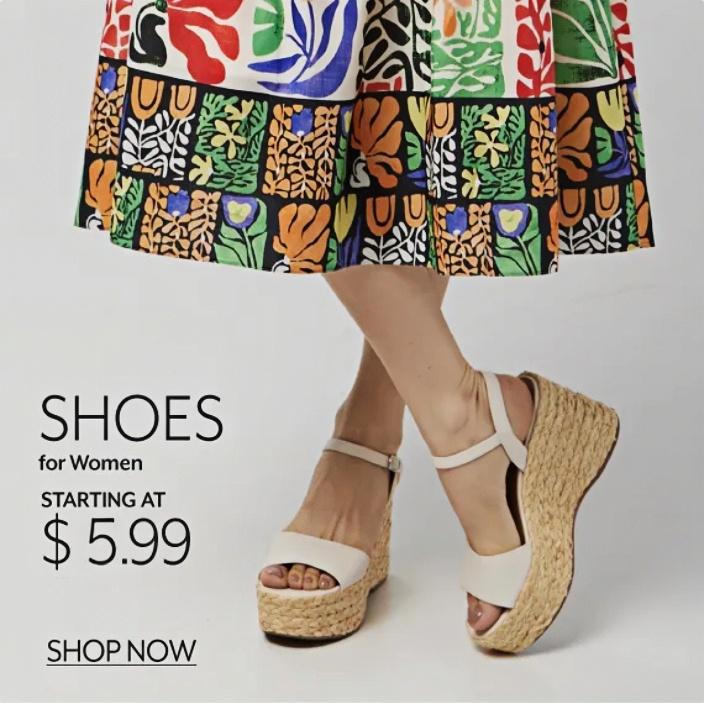


Styles that Make the Grade
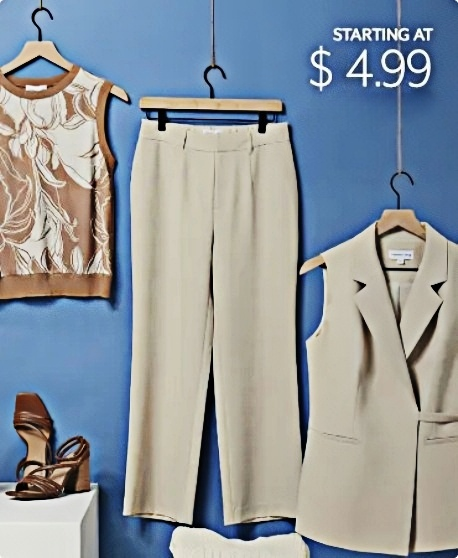
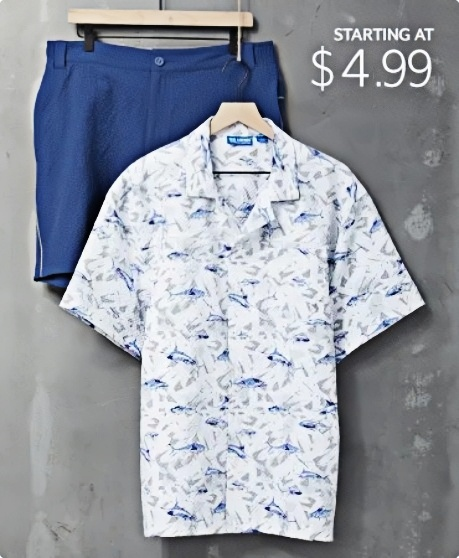
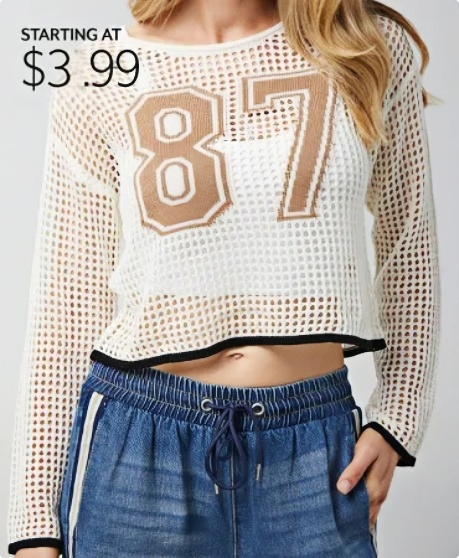

Back to Cool
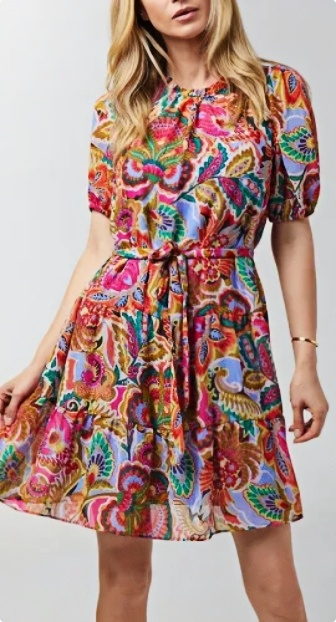
Say Yes to the Dress
Style Your Space
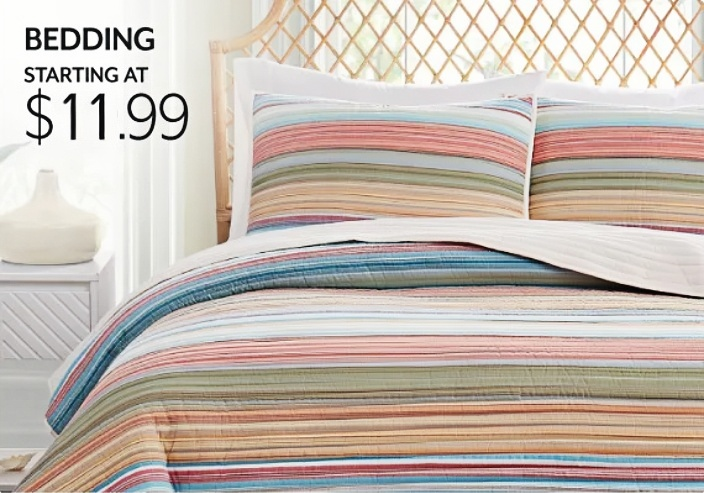
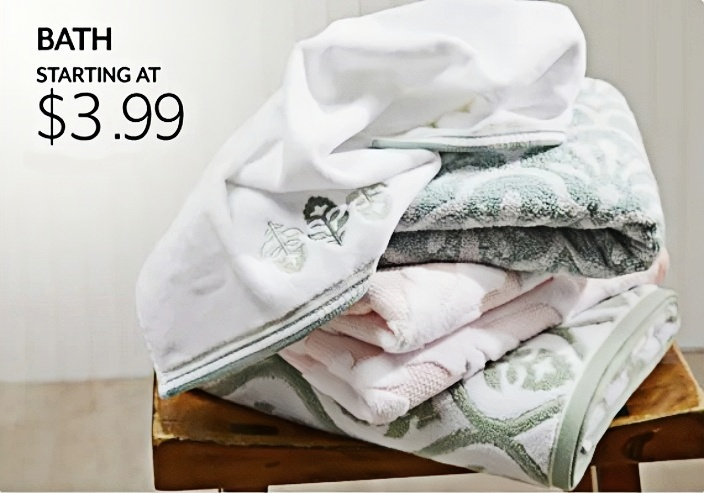
Outfit Your Dorm

Brands You Love





Live Life Local
Shopping for guests who enjoy an active, outdoor, and relaxed lifestyle.